Small structures shape how a landscape is used and inhabited. Their placement considers topography, views, vegetation, circulation, privacy, solar orientation, drainage, and surrounding gardens and habitat.
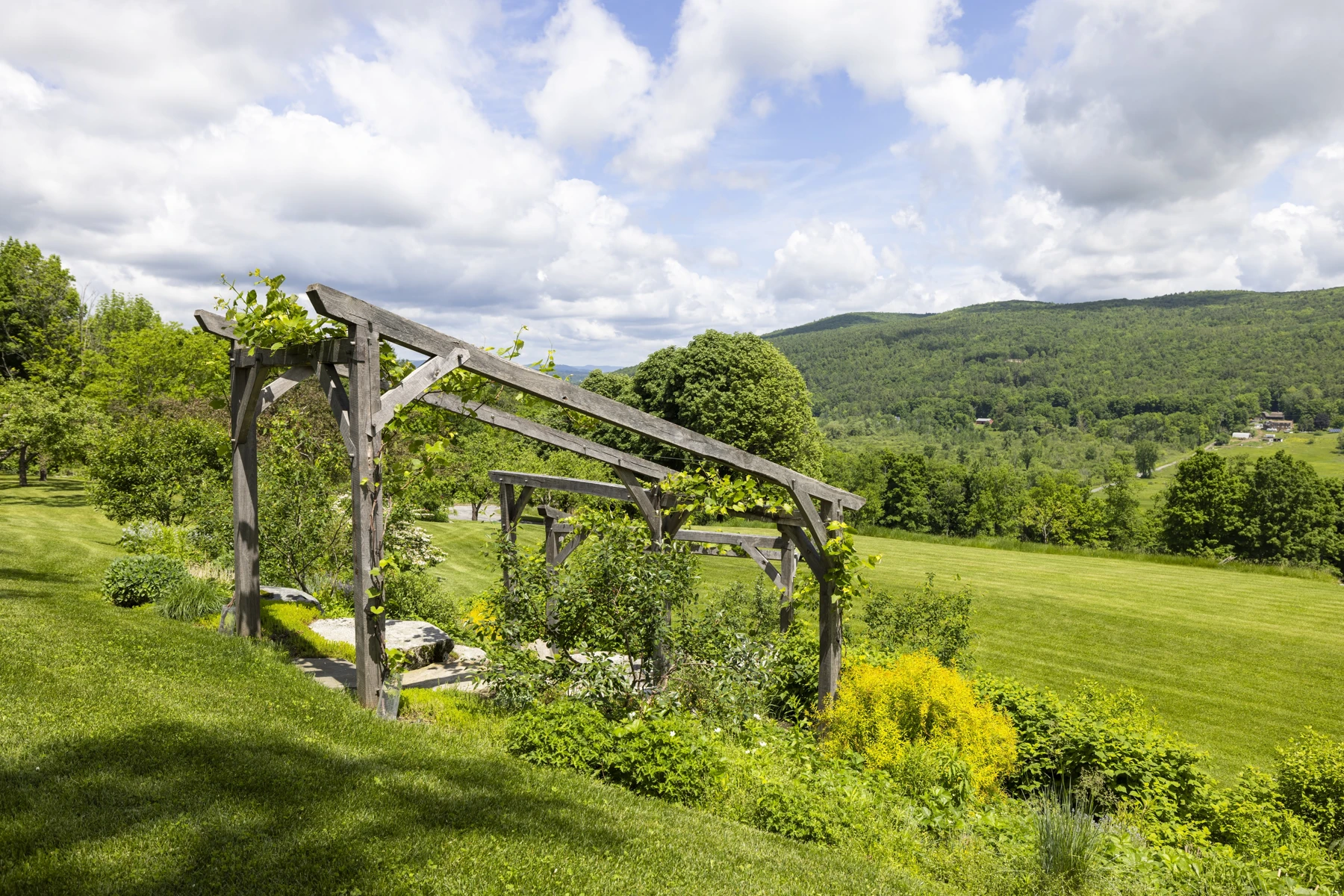
01Timber frame + garden structures
Pergolas, pavilions, swings, shelters, and garden structures create opportunities for shade, gathering, climbing plants, and views. Sweetfern can develop concept, siting, scale, and material character and coordinate with craftspeople and technical professionals.
02Saunas + small retreats
Plan access, privacy, views, gathering areas, planting, drainage, utilities, lighting, outdoor showers or plunge areas, and seasonal use as part of the site.
03Sheds + working landscapes
Garden storage, potting areas, tool storage, composting, and outdoor workspaces need considered access, screening, planting, and circulation.
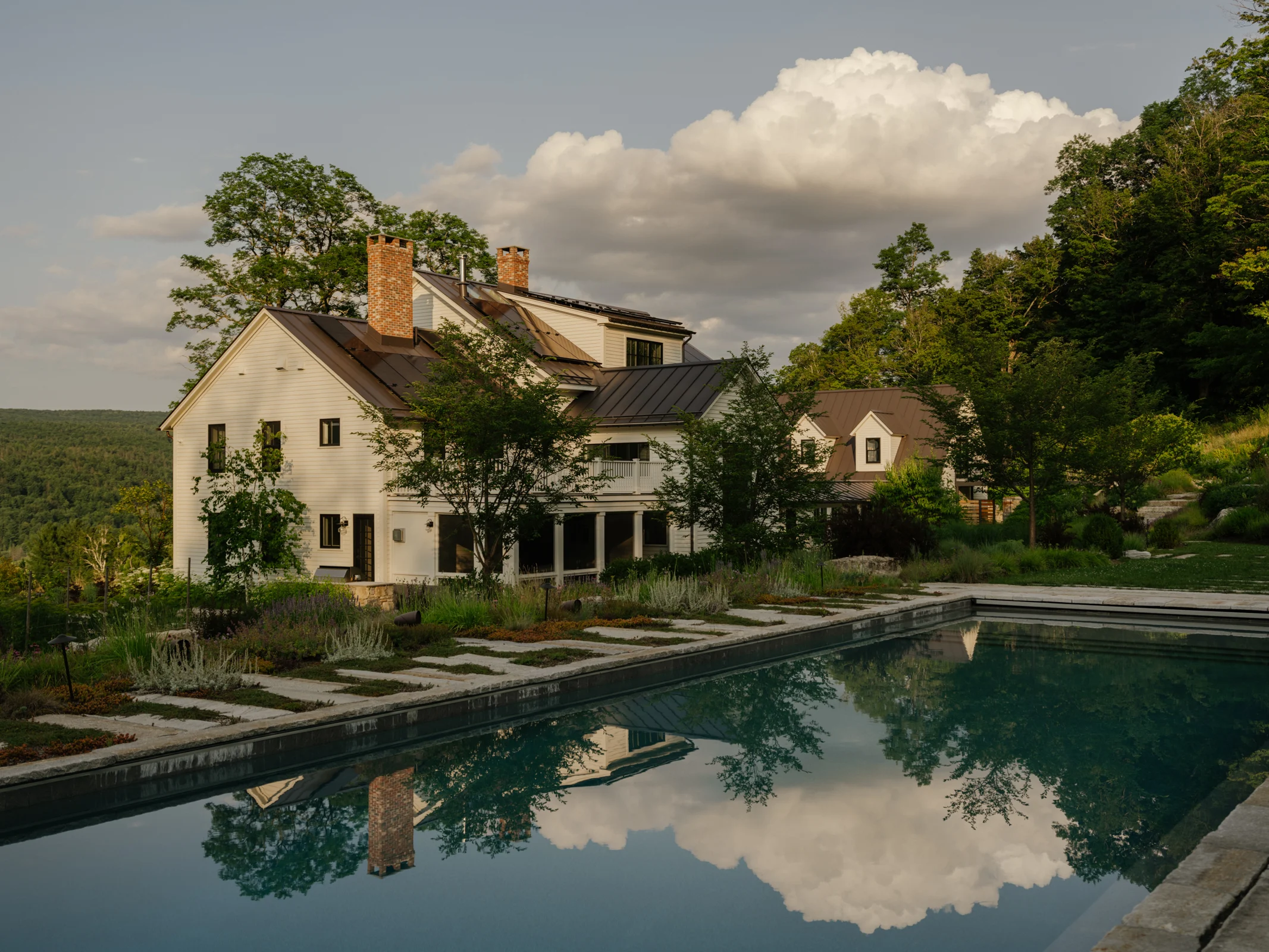
04ADU site planning + coordination
Evaluate structure location, grading, access, parking, privacy, views, vegetation, sensitive resources, drainage, utilities, and connections between buildings. Work with architects, builders, engineers, and the professionals responsible for building design, permitting, and construction.
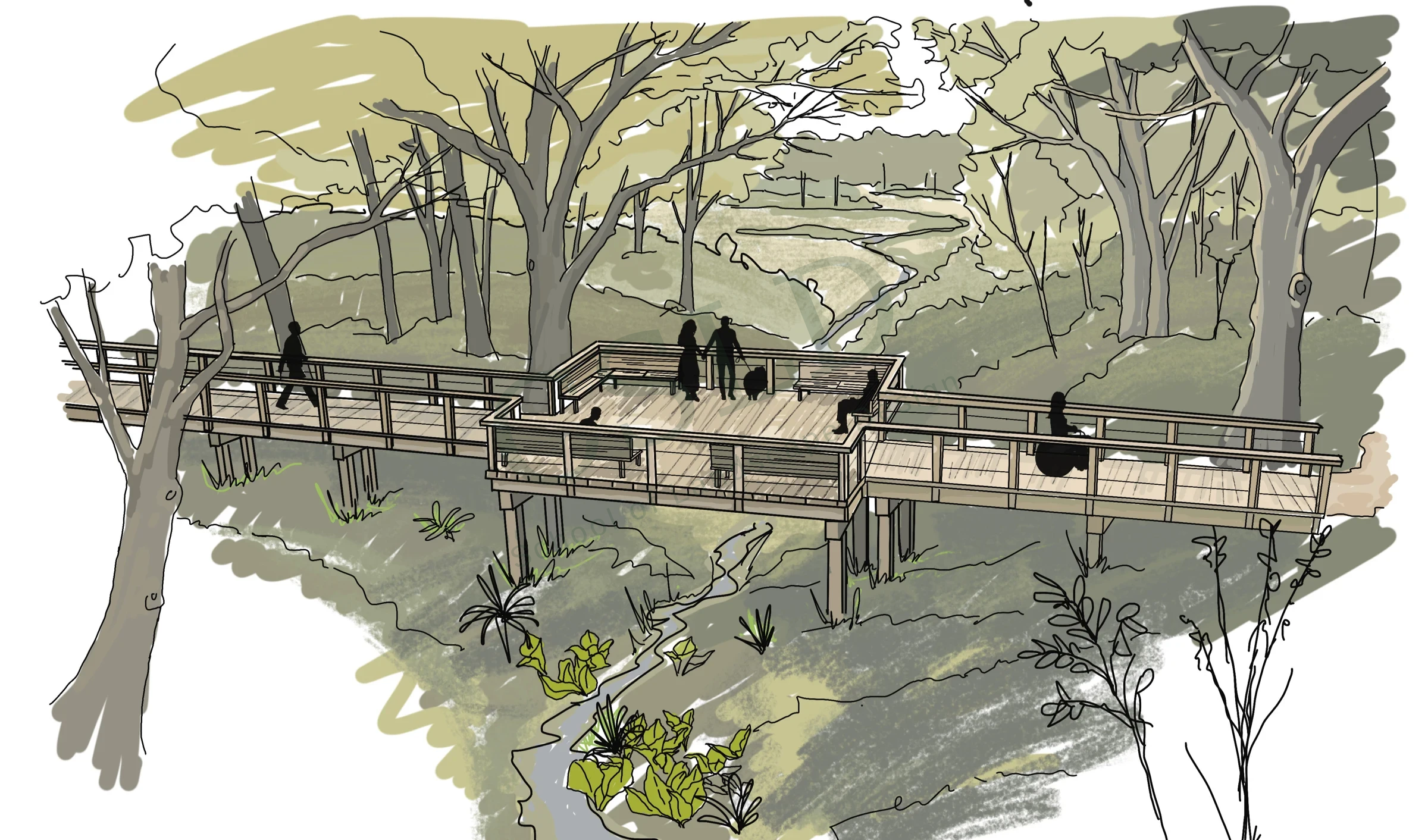
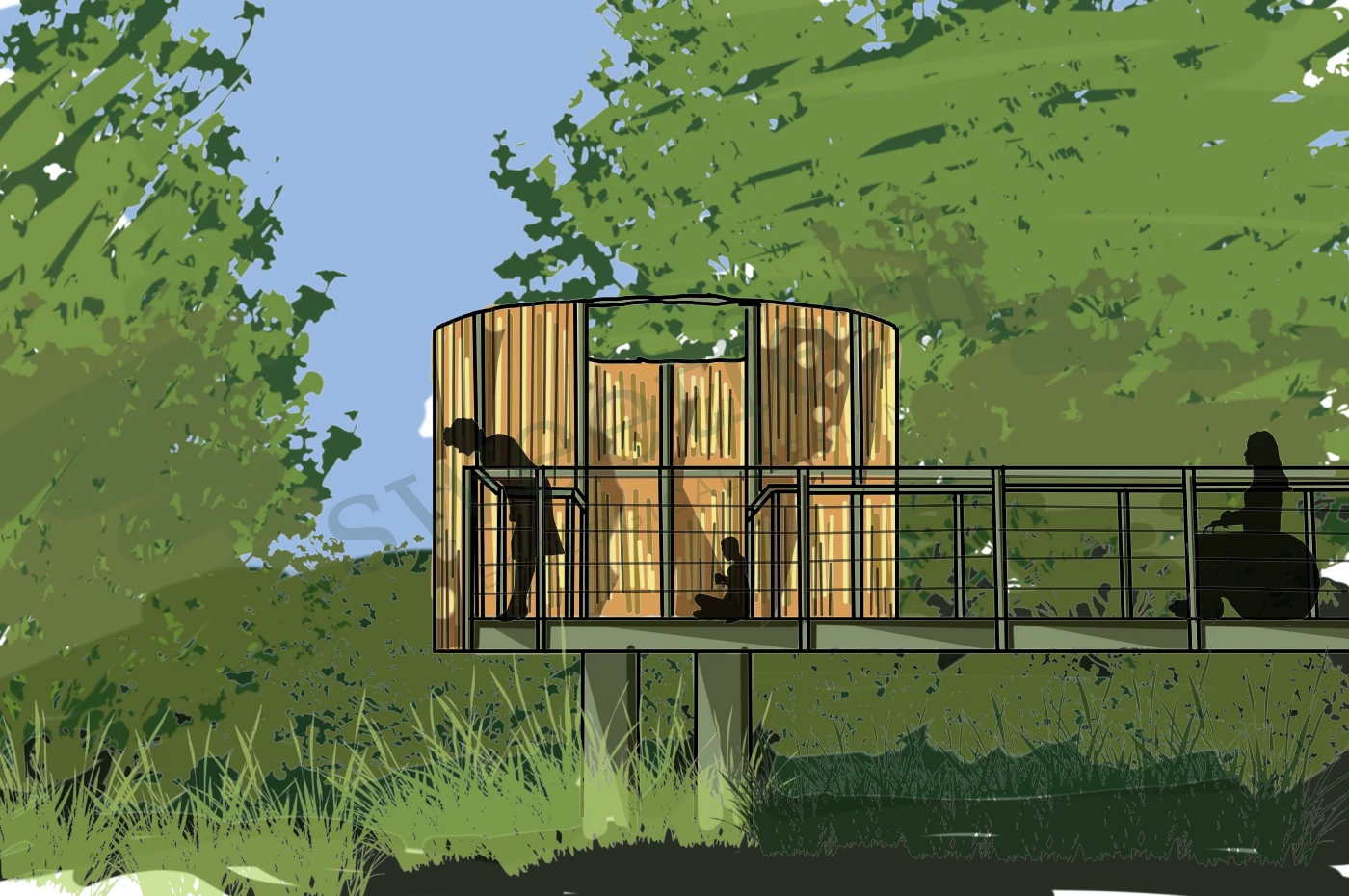
05Observation + habitat structures
Bridges, boardwalks, viewing platforms, and bird blinds can connect people to a landscape while directing access through sensitive areas. The Bell’s Pond concepts explore these relationships at the scale of a shared conservation property.
06From concept through implementation
Maintain design intent while coordinating technical development, permitting, engineering, fabrication, and construction.