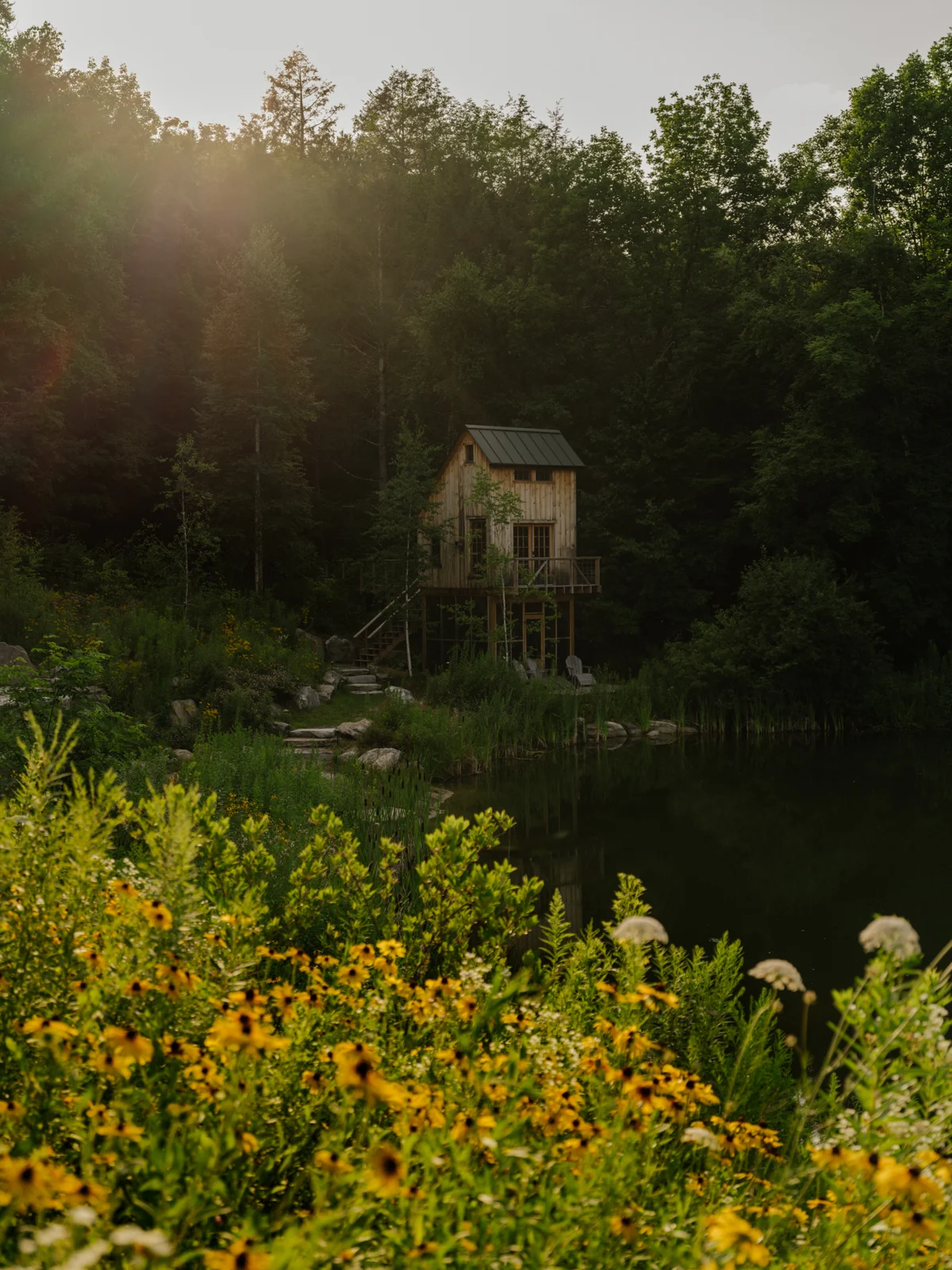
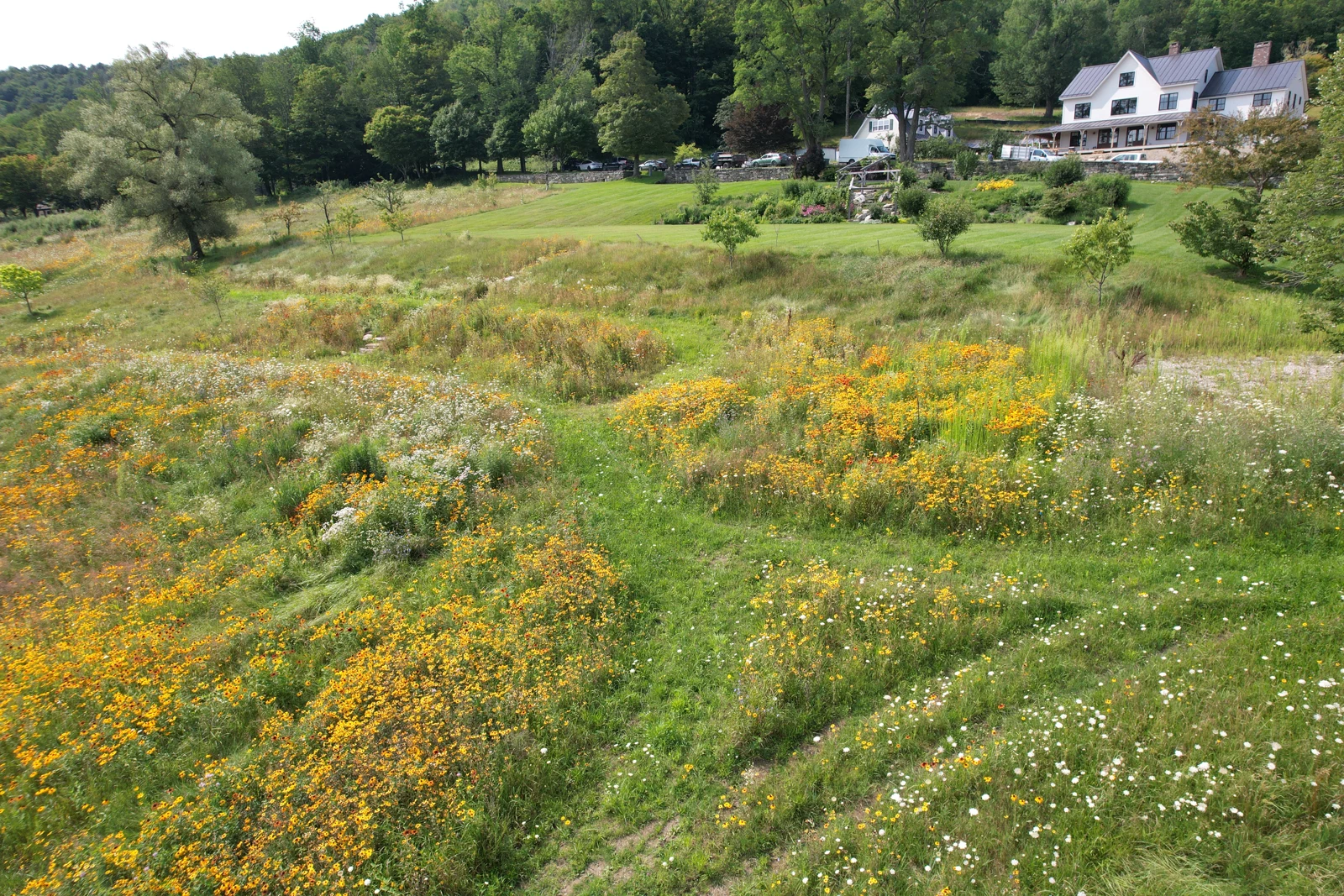
Creating a new meadow and restoring an existing meadow require different starting points. Both depend on establishment, observation, and thoughtful management over time.
01
Meadow installation
Lawn-to-meadow conversion begins with site preparation and a planting strategy suited to the property.
Species selection and sourcing of seed, plugs, and plants
Seeding, plugs, and container plants
Establishment strategies and early management
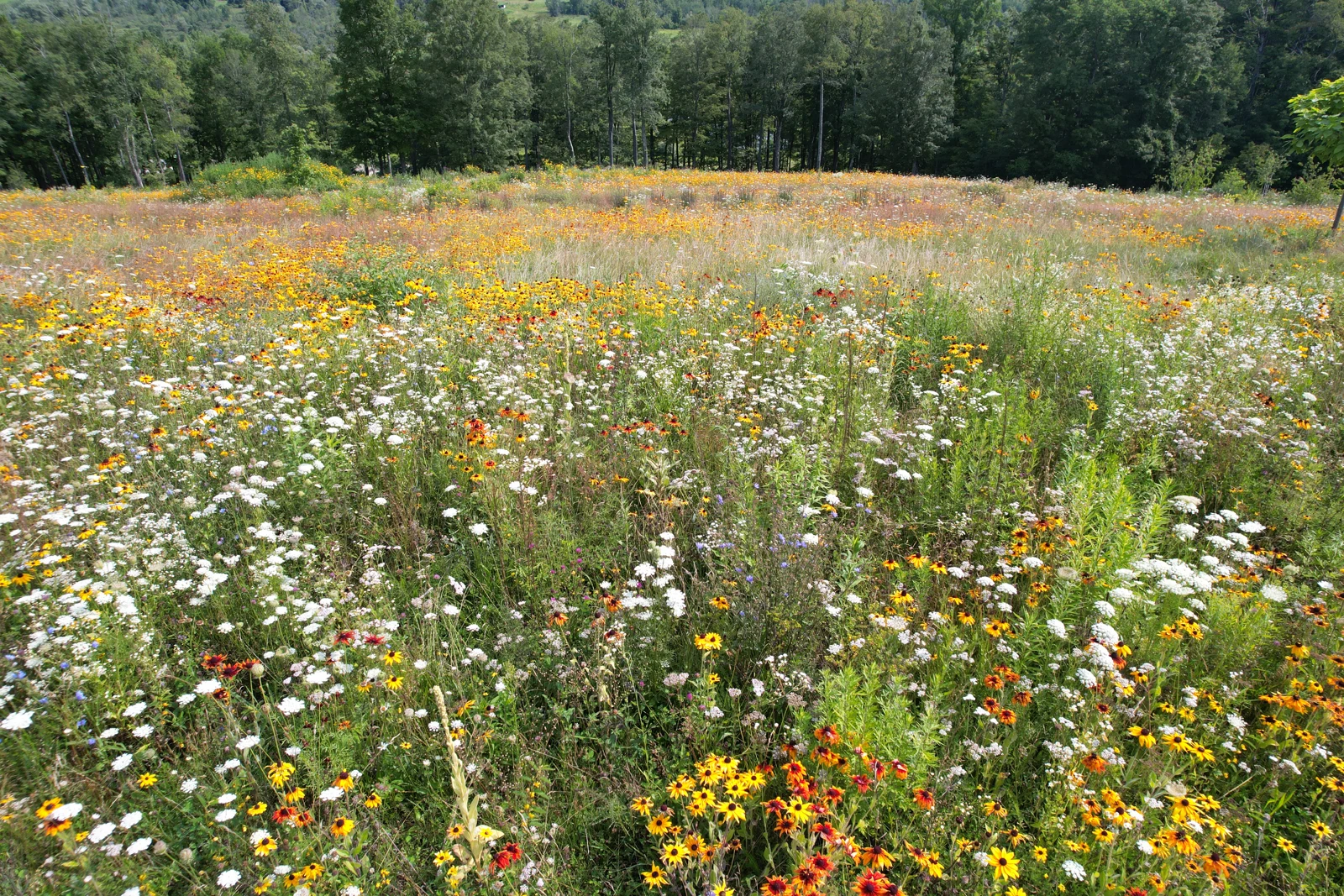
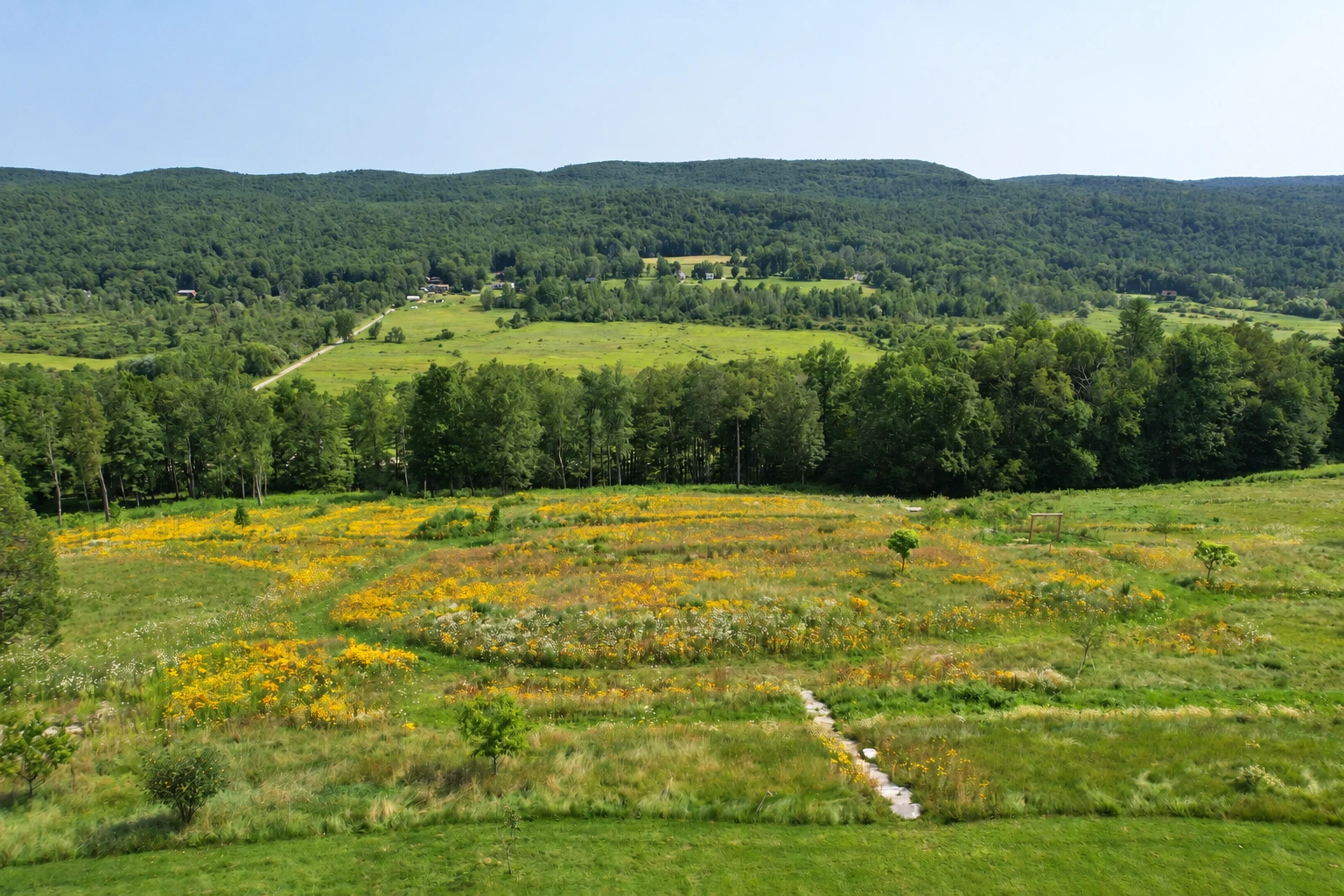
Mixed grasses and wildflowers in the meadow.02
Meadow restoration
Understand the vegetation already present before shaping the next stage.
Vegetation assessment and invasive management
Selective mowing, overseeding, and supplemental planting
Woody succession management and habitat enhancement
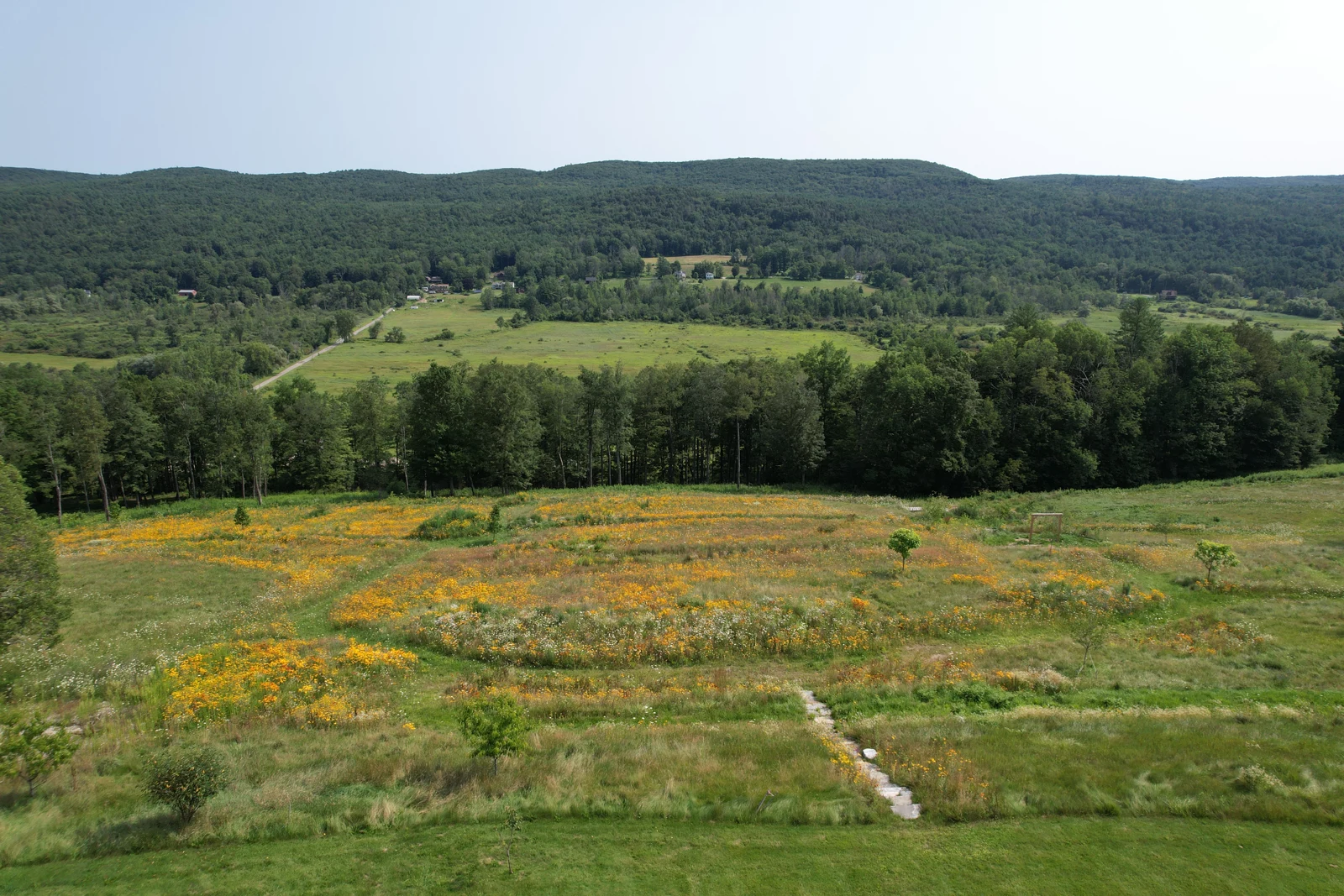
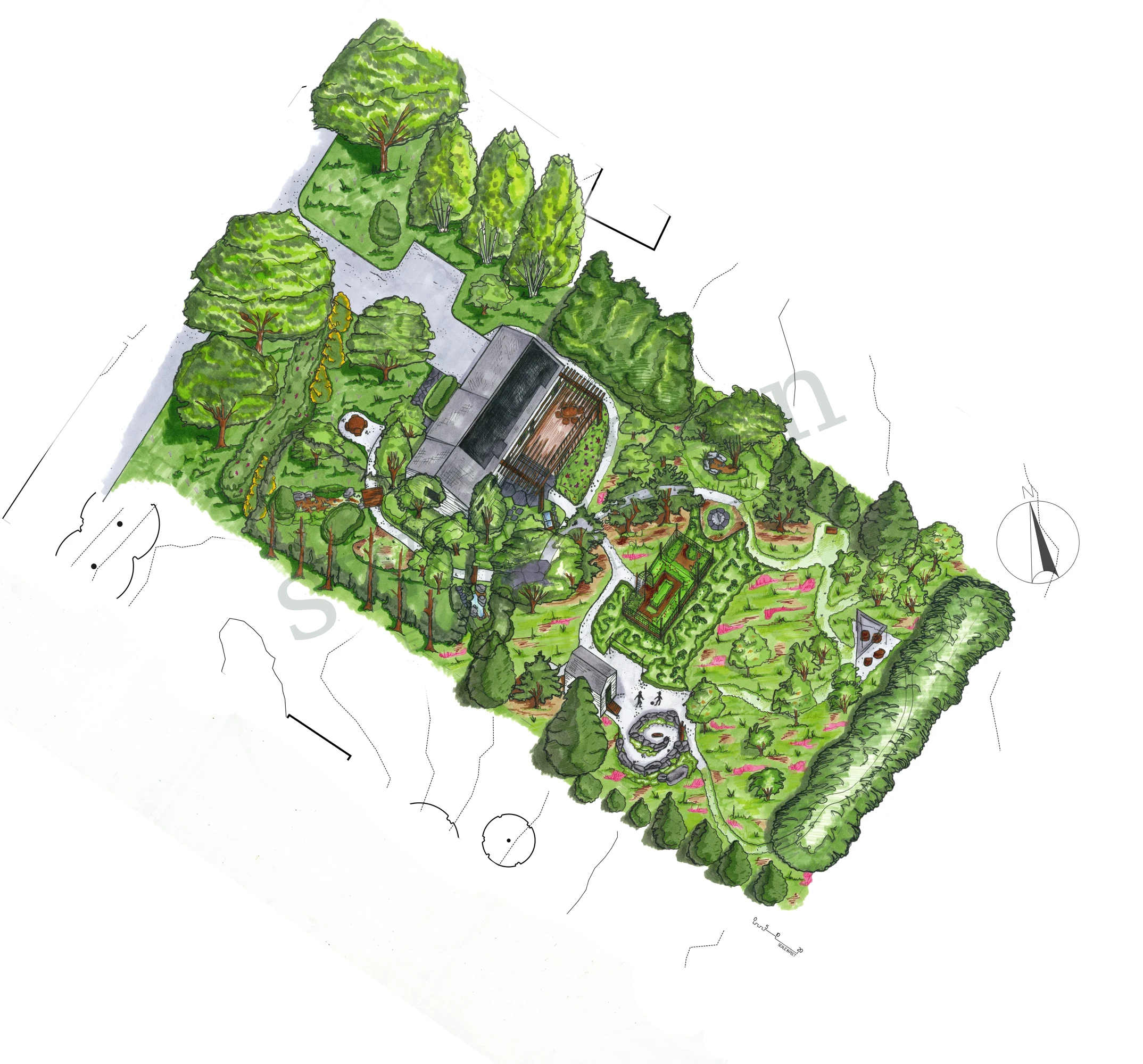
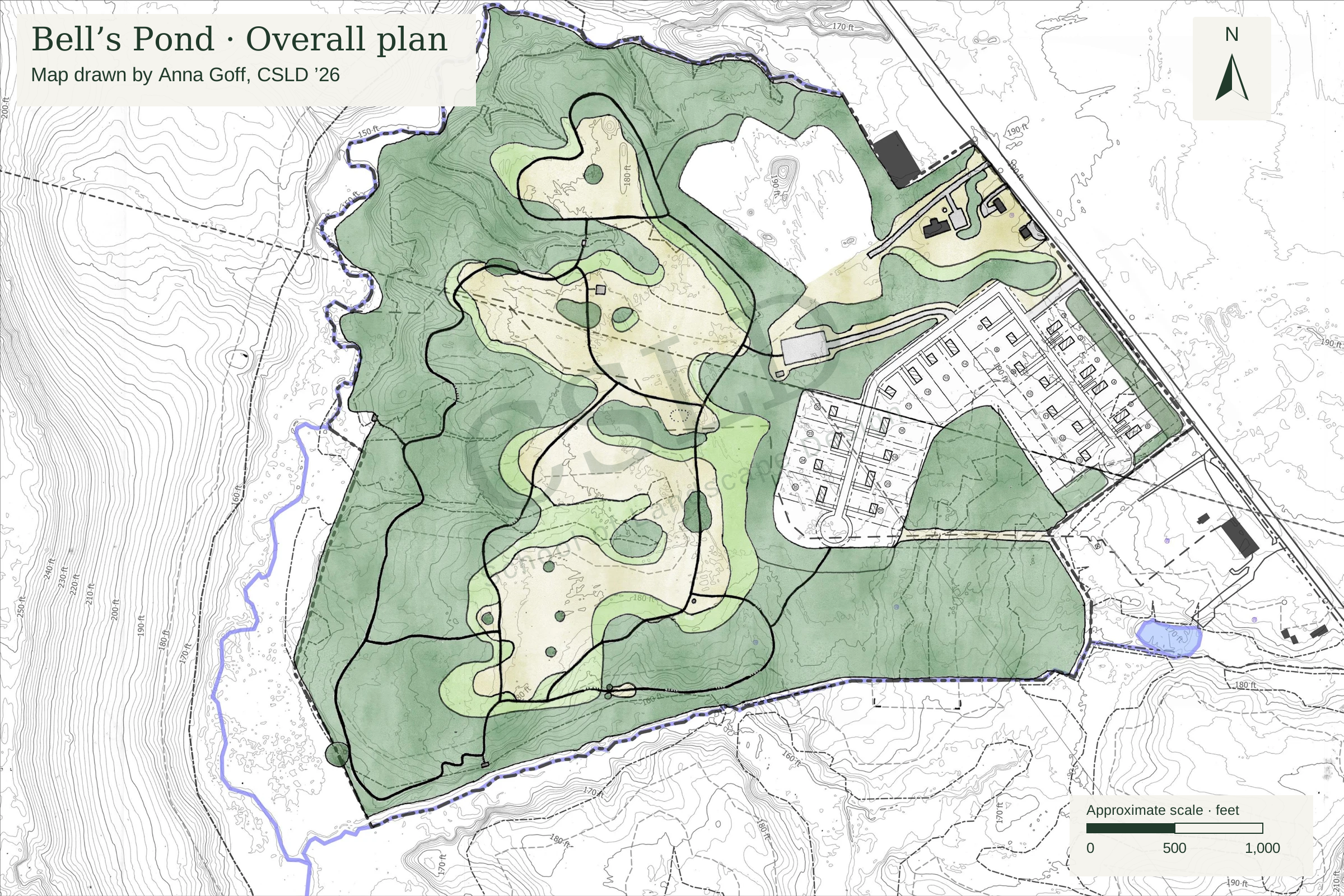
Open meadow, flowering patches, and woodland edges.03
Meadow stewardship
Rotational mowing, invasive management, succession management, monitoring, and adaptive care help guide the meadow as it develops.