Native + formal gardens
Bring seasonal structure, native vegetation, and habitat value into a garden that feels deliberate and refined.
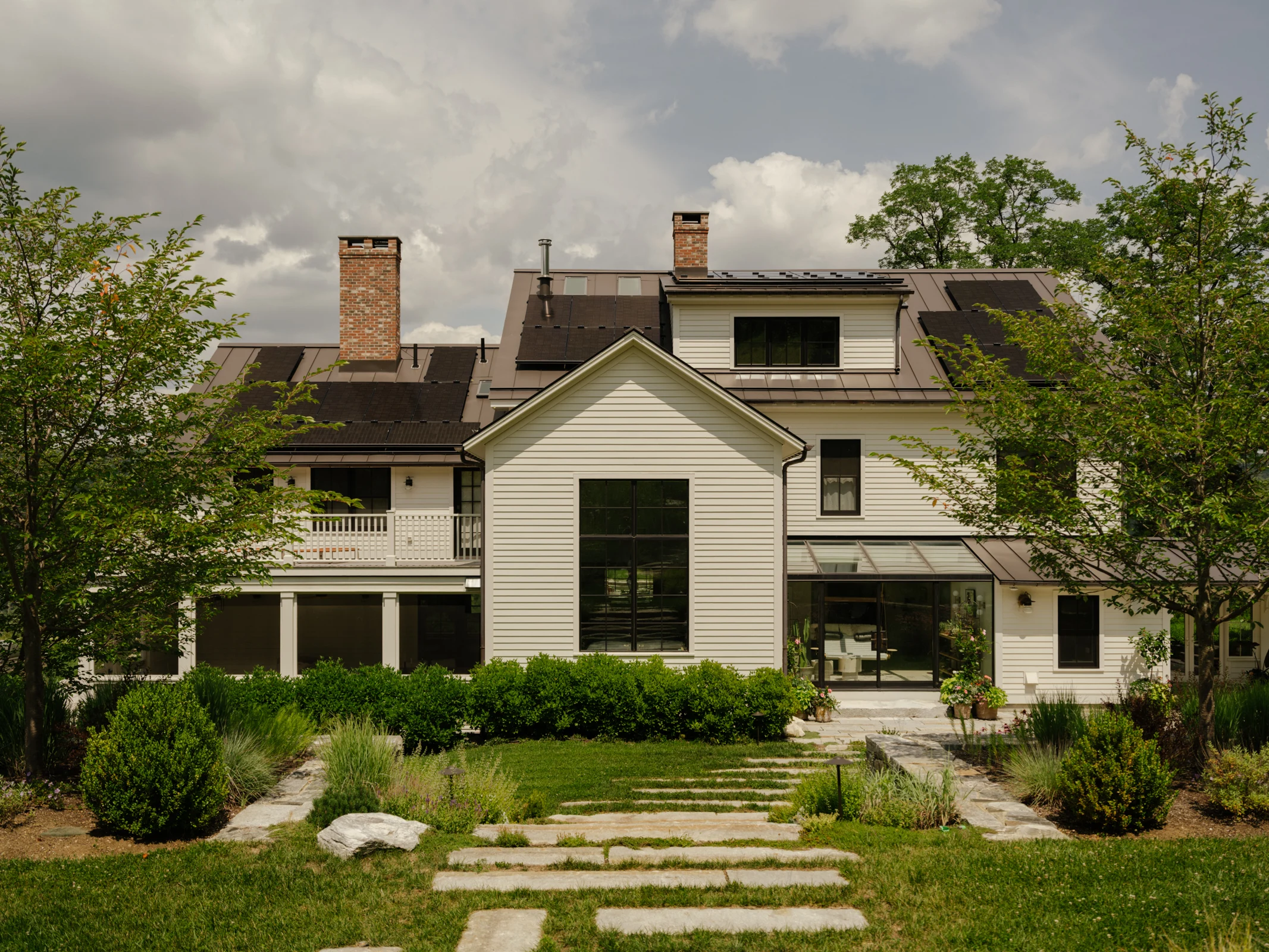
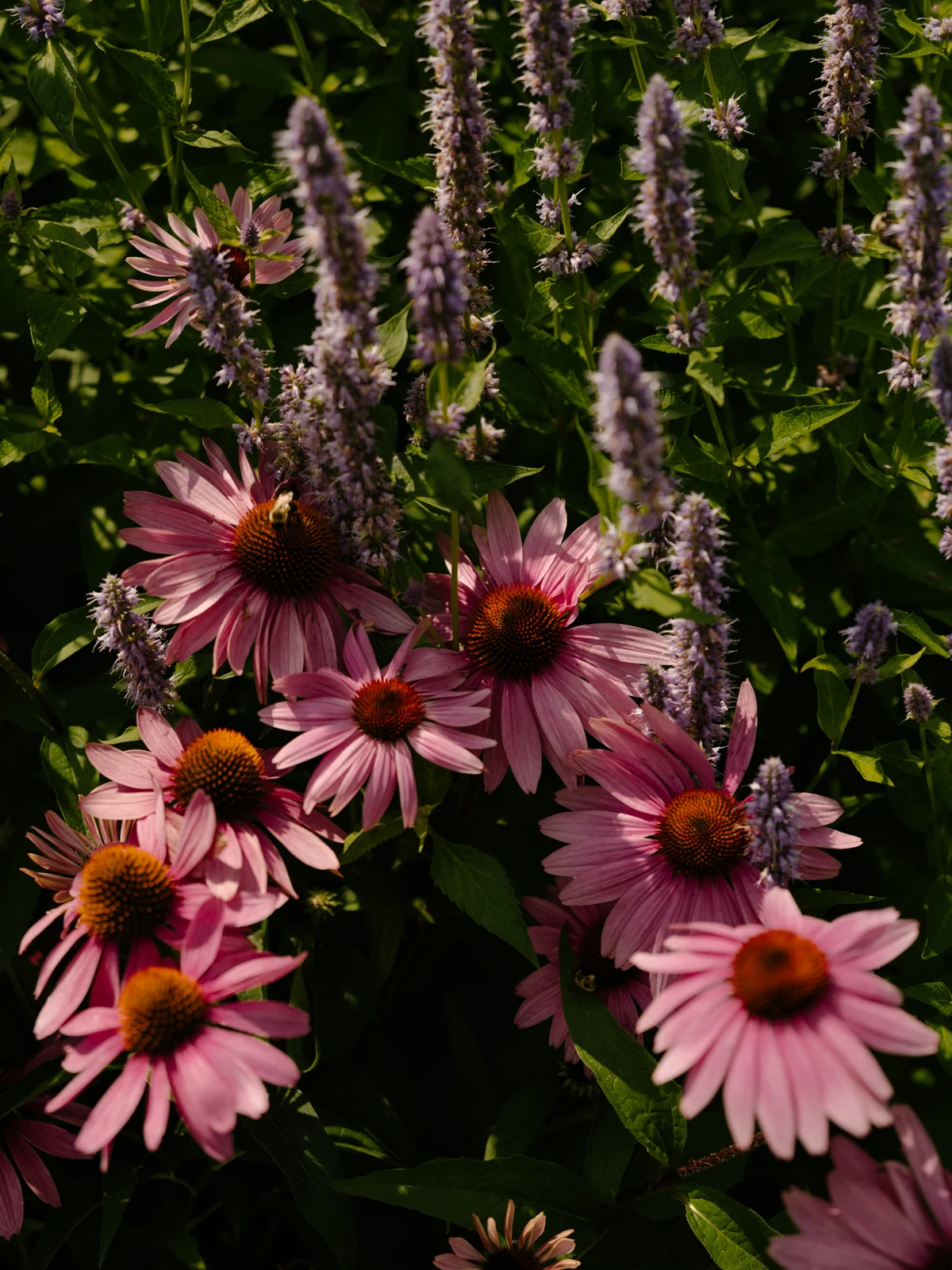
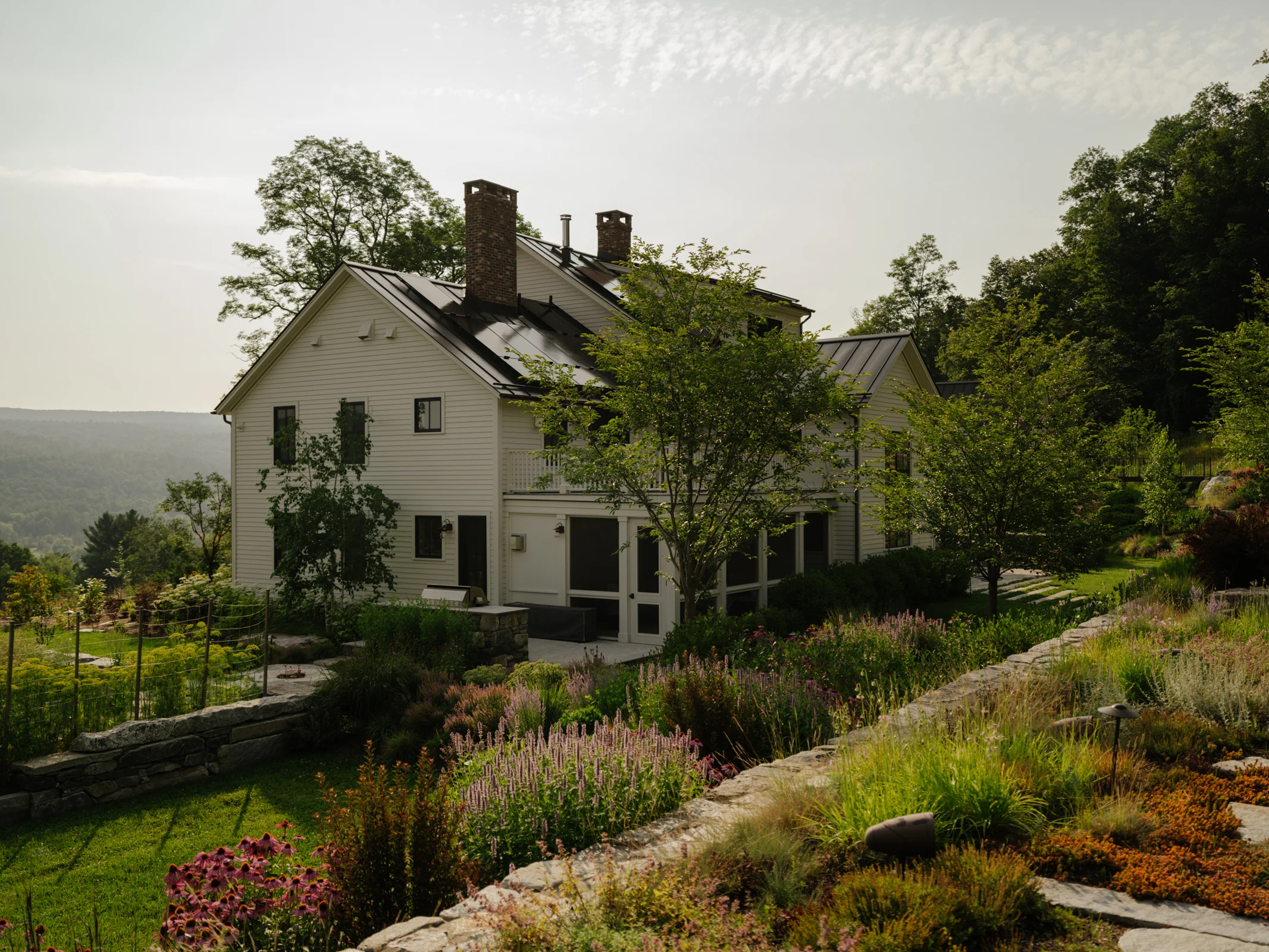
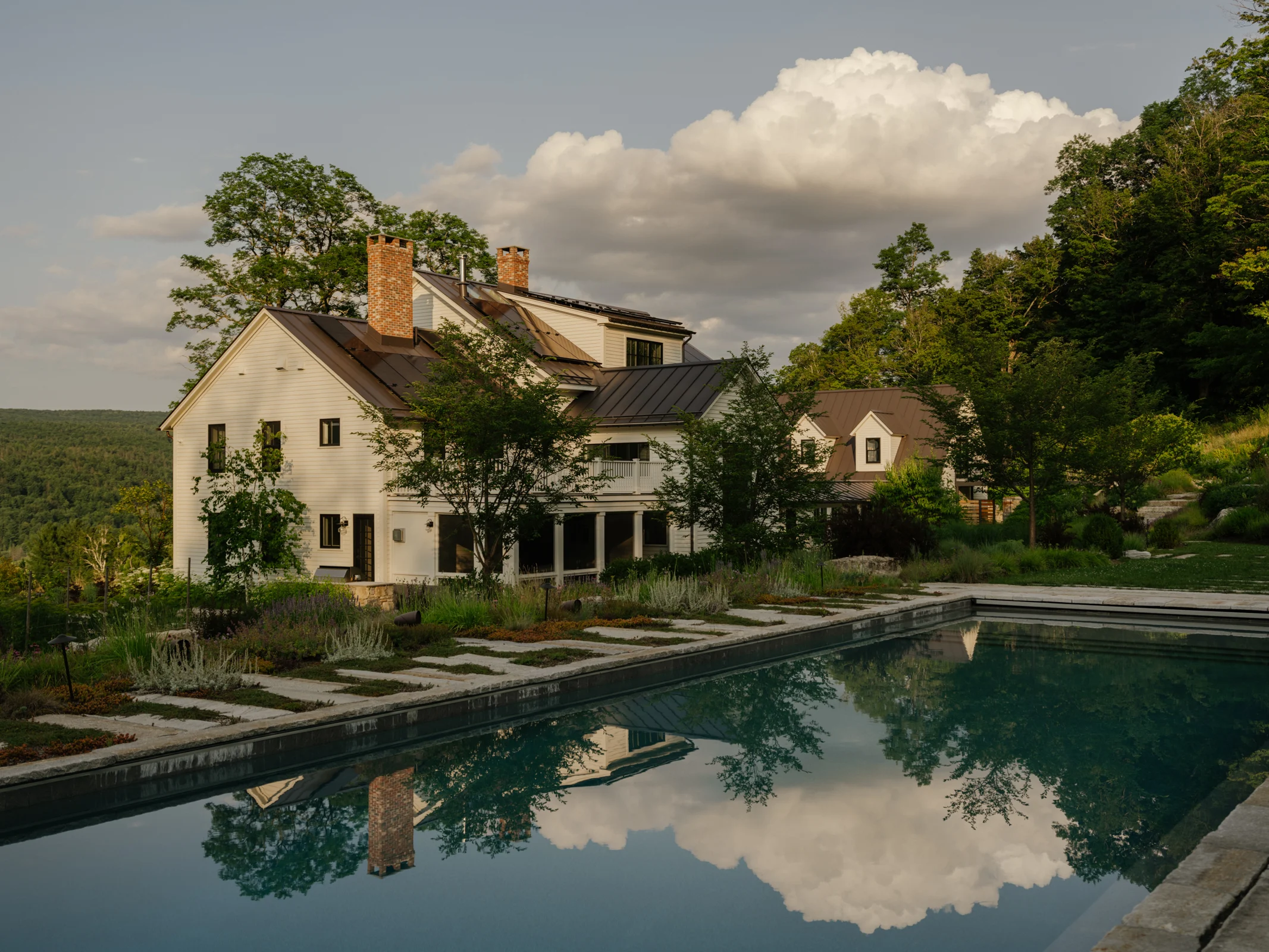
Native and habitat-supporting plants can sit comfortably within formal geometry, defined edges, repetition, mass planting, specimen planting, and existing ornamental landscapes.
Bring seasonal structure, native vegetation, and habitat value into a garden that feels deliberate and refined.
Potagers, raised beds, herbs, vegetables, fruit, and perennial food plants are integrated with stonework, paths, and garden structures.
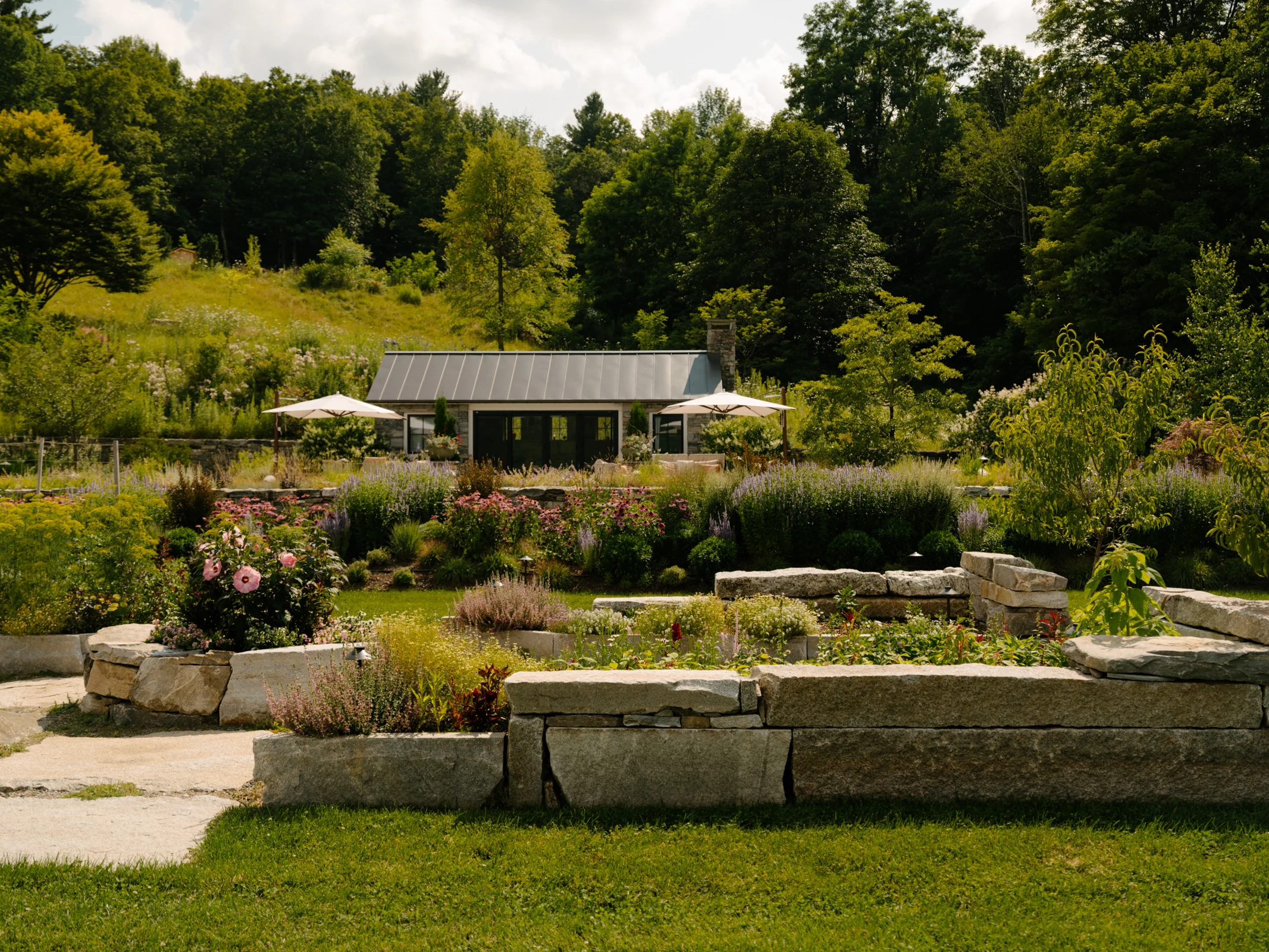
Productive flower gardens provide seasonal cutting while functioning as part of the larger landscape.
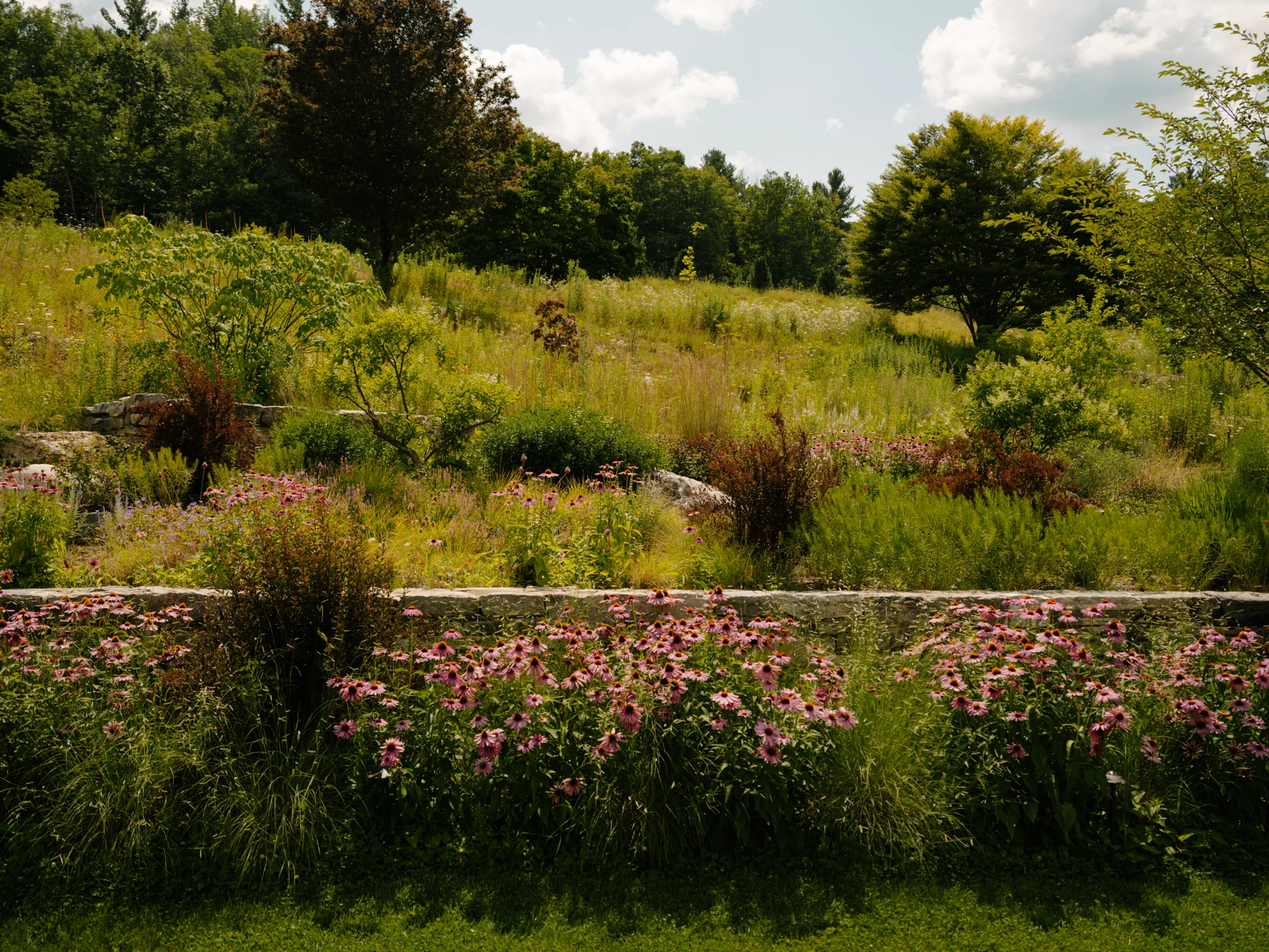
Source trees, shrubs, perennials, plugs, and seed from nurseries and growers. Coordinate species, sizes, quality, availability, and substitutions with the planting design and installation schedule.
EXPLORE THE DESIGN DETAILS
ANALYSIS IN PRACTICE / DESIGN STUDIES
From rain gardens and productive beds to native planting around a pocket neighborhood, these studies connect the garden to its wider ecology.
Conway School of Landscape Design
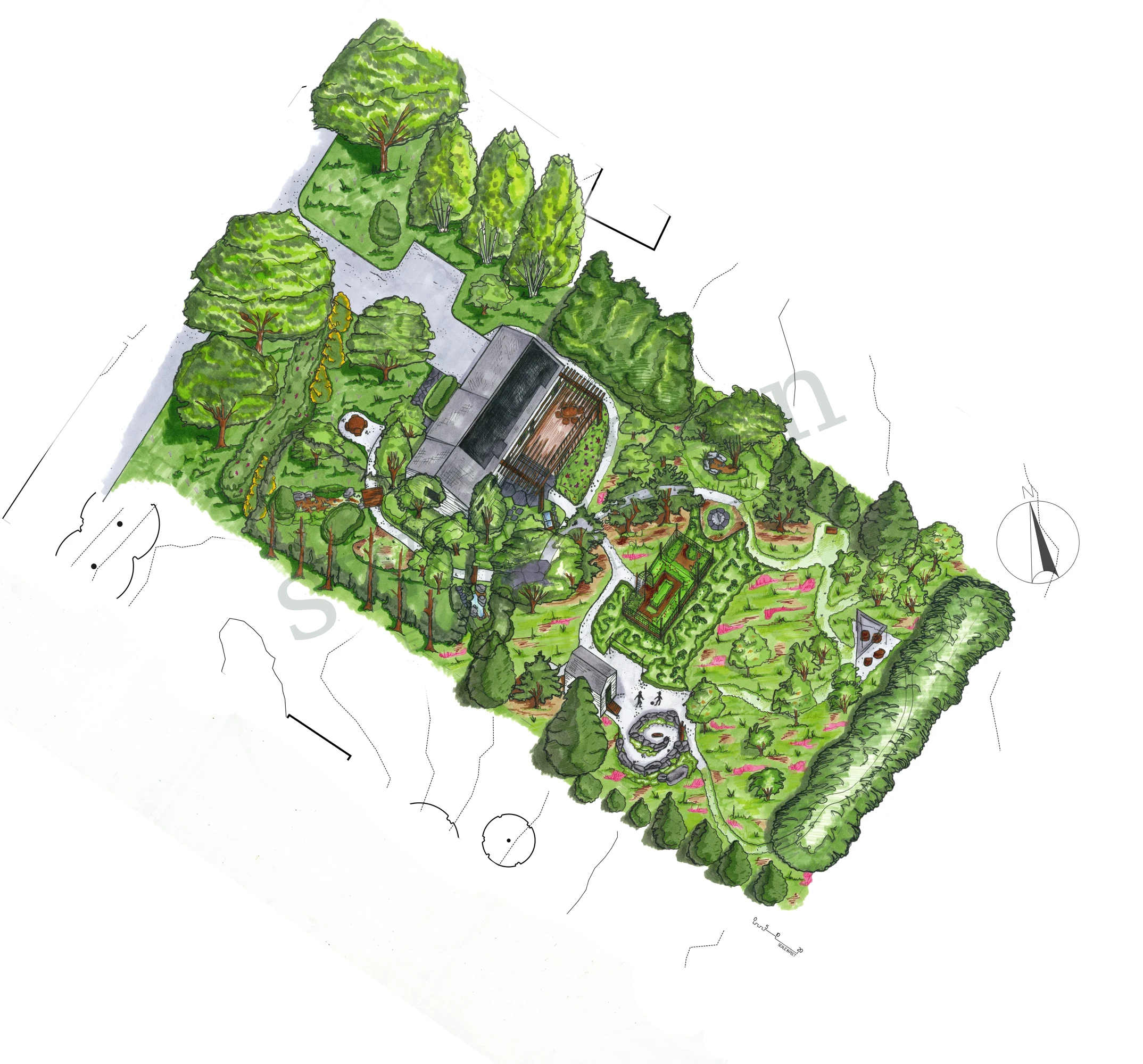
 EXPLORE THE PROJECT
Residential design study · Fall 2025
A sandplain meadow oasis, designed for everyday life.
Zaviere Drumm · The Conway School · Fall 2025Conway School of Landscape Design: Co-designed with Anna Goff
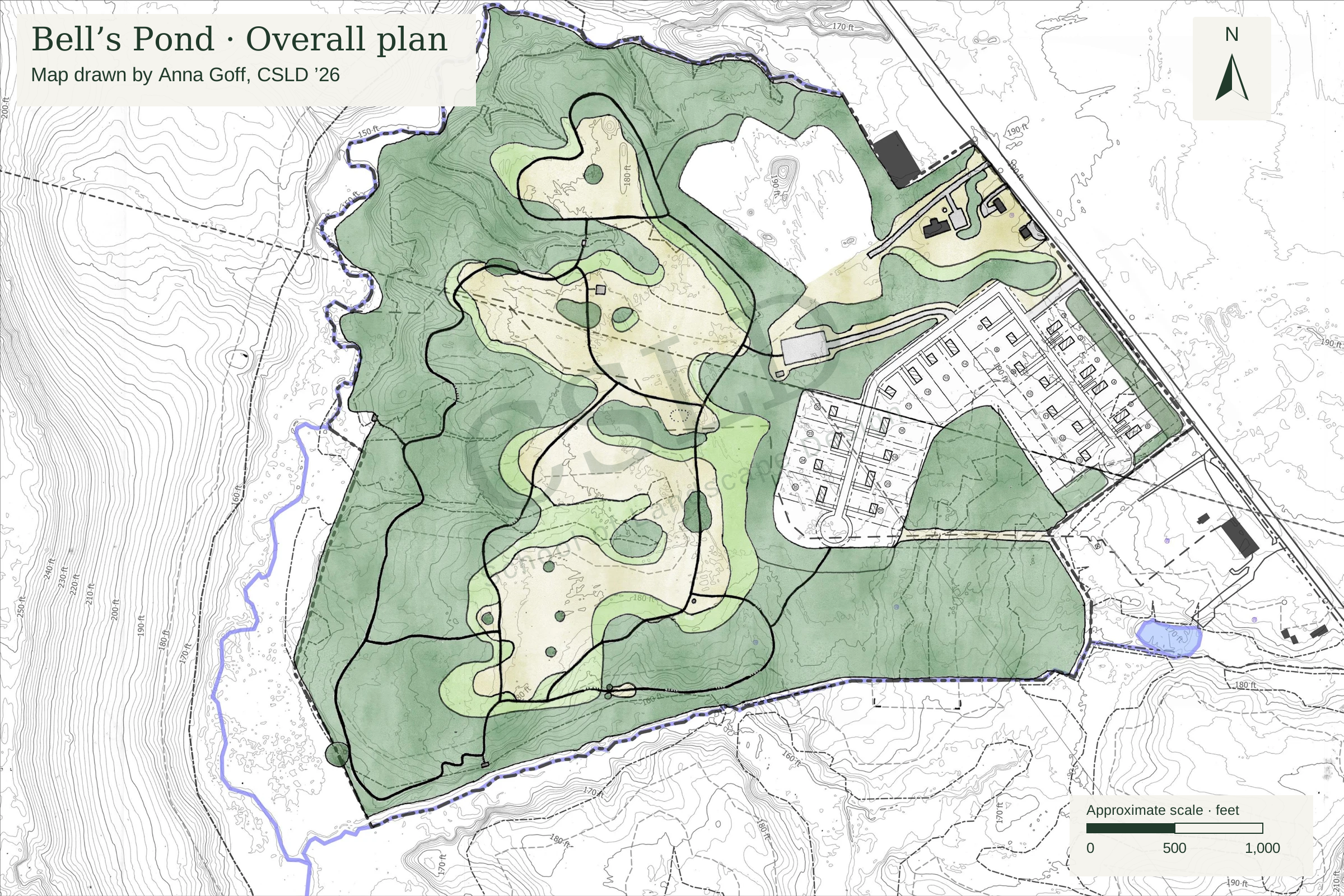 EXPLORE THE PROJECT
Conservation + housing project · Spring 2026
Conservation, affordable housing, and community access on common ground.
Anna Goff & Zaviere Drumm · The Conway School · Spring 2026